latest News

Mother’s Day Gift Guide: The Perfect Xero Shoes For Every Woman in Your Life
Mother’s Day Gift Guide: The Perfect Xero Shoes For Every Woman in Your Life Being a mom is many things, but “easy” generally isn’t one of them. But a truly comfortable pair of barefoot shoes for women make every daily challenge a little more manageable - and every fun activity just a little more enjoyable. Use this tool to match up the moms you care about with the shoes they’ll love. Not sure of someone’s size? Just send her this article, plus a Xero Shoes eGift Card. DILLON: For Style-Conscious WOMEN Light, comfortable, and they go with everything SHOP THE DILLON The Pagosa: For Busy Jetsetters with Tired Feet Perfect for around town or around a campsite. SHOP THE PAGOSAhttps://xeroshoes.mom/wp-content/uploads/2023/05/Pagosa-for-Mothers-Day.mp4 Xero Shoes PR Director (and Mom-to-be!) recommends the Pagosa for any expecting mothers. Prio Neo: For Active women Fun and agile for the go-getter. SHOP THE PRIO NEO Scrambler Mid II: For Women Who Get Outdoors If hiking, pushing a stroller down a trail, or carrying a baby backpack to the top of a hill is her idea of “fun,” she’ll enjoy the ultra-light Scrambler Mid II. SHOP THE SCRAMBLER MID II Phoenix Leather: For Busy Professional Women All-day comfort in an elegant flat. SHOP THE PHOENIX LEATHER Find the Perfect Shoe for Mom To find the perfect shoe for mom this Mother’s Day, you can explore our entire selection of women’s barefoot shoes available in different styles, colors and sizes. SHOP NOW

How Runners Can Support the Environment for Earth Day
Runners who want to help preserve and protect the environment can take several steps to become more eco-friendly. Here are some inspiring ideas runners can do to help support the environment.Does Running Help The Environment?Running has some unique features that already make it a sustainable activity, including:Carbon-NeutralityRunning is a carbon-neutral activity that doesn't require any fuel or energy other than your own. Choosing to run means that you can reduce your carbon emissions and help create a cleaner environment.Encourages Sustainable FitnessRunning is a minimalist activity that requires little equipment or resources. By embracing minimalism, runners can contribute to a more sustainable lifestyle and promote the idea of living within our means.Inspires Community InvolvementRunning events and clubs can bring together individuals with a passion for health and fitness as well as sustainability. These communities can inspire collective action and advocacy for environmental issues.Promotes Green SpacesRunning can take you to places where you can appreciate the beauty of nature. By doing so, you are helping to promote the importance of parks and green spaces, natural resources, and the need for their preservation.Supports Eco-Friendly EventsMany running events have embraced eco-friendly practices, such as recycling, composting, and reducing waste. By participating in these events, runners can support these initiatives and encourage others to adopt similar practices in their daily lives.How To Help The Environment As A Runner (10 Ways)1. Throw Away Your TrashThrowing away their trash is a pretty easy way runners can support the environment. Beyond trail hiking, litter is often left behind by road running in cities. Just because it's widely accepted to leave trash on the ground doesn't mean you should. Try these tips: Always carry a small reusable bag or pouch to store your trash during your run. If you find trash while running, pick it up and dispose of it, or recycle it if possible. Avoid single-use plastic to reduce the amount of plastic that ends up in landfills. Support products that are made from 100% recycled materials. Educate your fellow runners and friends about the importance of properly disposing of trash and encourage them to follow suit. 2. Reduce Plastic Waste From Water BottlesInstead of using water bottles during or after your run, consider switching over to a 100% plastic-free water bottle. There are several non-plastic water bottles for runners. Many of these manufacturers not only use sustainable practices, but they also give charitable donations to support sustainability non-profit organizations.Organization Spotlight: Plastic Free JulyPlastic Free July® is a significant program developed by the Plastic Free Foundation. Its purpose is to help us move closer to our goal of creating a world free of plastic waste.3. Participate in Park Clean-upsA great way to give back to your community is to find a park clean-up in your neighborhood. You could even organize your own. Local volunteers of all ages can work together to clean and pick up litter in a community park. Volunteering is a great way to keep the parks and green spaces you run in clean and beautiful. 4. Find Plogging GroupsAnother way to dispose of trash is by participating in plogging, but what is it exactly?? It is an activity that combines jogging and cleaning up trash. While running, they collect and properly dispose of any litter found on the ground. The term “plogging” originates from the Swedish verbs “plocka upp” (pick up) and “jogga” (jog).Organization Spotlight: Natural RestorationsNatural Restorations is an Arizona-based 501c3 nonprofit organization founded in 2015 by husband and wife team, Justin & Nicole Corey. Their mission is to remove trash and graffiti from outdoor recreation & wilderness areas, revitalize natural areas through replanting projects, and enrich the lives of military veterans and other community members. They have removed over 1.5 million pounds of trash from outdoor spaces and will be hosting their 8th annual Earth Day Lower Salt River Cleanup this Saturday, April 22nd. Plogging combines picking up trash while jogging and it is a great way for runners to make a positive impact on the environment and in our communities. With increased concerns about pollution, people everywhere are making their workouts good for the Earth's health too! Instead of cursing trash as you jog by it, why not pick it up? It's like a treasure hunt every time you head out. The action of picking up trash stretches the back, hamstrings, and calves. It's multitasking at its best!DonateFacebookInstagram 5. Donate Old Running GearDonating old gear is an excellent way to reduce environmental impact. It allows runners less fortunate to have safe footwear they may not be able to afford. Donating old clothing helps reduce waste in landfills and decreases the emission of methane into the air.Organization Spotlight: Soles 4 SoulsSoles 4 Souls turns old or unwanted shoes and clothing into good use, preventing them from going to waste. providing relief, creating jobs, and empowering people to break the cycle of poverty. Collect shoes and clothing to distribute to people in need across the US and worldwide. This protects the planet, putting used goods to others who need them instead of going to a landfill.Donate ShoesFacebookInstagram 6. Advocate for Environmental PoliciesAdvocating for environmental policies can be a powerful way for runners to make a positive impact on the planet. Advocacy can take various forms. One of them is reaching out to local and national representatives, joining protests or rallies, and backing environmental organizations.One way to get started is by researching environmental policies that are currently being proposed or debated in your area. This might include initiatives related to renewable energy, reducing your carbon footprint, protecting natural resources, or promoting sustainable transportation options.Once you have identified relevant policies or initiatives, consider reaching out to your elected representatives to express your support or concerns. This could involve: Writing letters or emails Making phone calls Scheduling in-person meetings with your representatives or their staff Organization Spotlight: Runners for Public LandsRunners for Public Lands is on a mission to create a sense of belonging, a connection to the environment, and to spark activism in our running communities.When college professor Vic Thasiah read the notable article “No Free Lunch: Trail Running and the Public-Lands Debate” by Mike Foote in Trail Running Magazine, he decided to take action. On Earth Day in 2019, he founded Runners for Public Lands as the national-level nonprofit dedicated to organizing runners - the largest recreation group in the US - to care for the environment. Today, Runners for Public Lands continues to build inclusive running communities dedicated to protecting the environment and is actively creating opportunities for runners to get involved and give back.Founded in Ventura, CA, RPL has established a strong regional presence, but earlier this month, they officially launched their Ambassador Program in Colorado to begin growing a movement of runners throughout the country. RPL Ambassadors will host inclusive runs, organize educational and volunteer events, and activate runners to steward and protect the lands they run with. Keep an eye out for more to come as this movement grows into new communities throughout the US!So, how can you join this movement to protect public lands and equitable access to nature? Volunteer for trail days and local stewardship in your community. Get informed about ways to protect the people and places you love to run with by: downloading RPL’s toolkits, reading RPL’s event resources, and learning about RPL’s Everyone Runs Funds - a grant that assists disadvantaged runners chasing their run dreams. Follow RPL on social media @runners4publiclands and sign up for their newsletter. Become a sustaining member of Runners for Public Lands. Make a one-time donation to support RPL programs and expand their presence in the US. Stayed tuned for specific RPL calls to action on national-level policies impacting runners and protecting public lands. Donate hereFacebookInstagram 7. Run or Walk to PlacesRunning is a great alternative mode of transportation to reduce carbon dioxide emissions from cars. Fewer miles driven can have a big impact on greenhouse gas emissions. Running and walking are the most energy-efficient options. However, if your destination is too far, consider riding a bike or using public transportation when possible. 8. Attend Sustainable Road RacesMany road races are getting serious about being environmentally friendly. Road races can get littered with trash, including cups. Instead, some races opt for reusable, compostable, or biodegradable cups at water stations. Road races are also moving paperless registration.9. Run for SustainabilityRoad races are not always set up with sustainability in mind. However, there are many races you can take part in that prioritize sustainability. Some park organizations will raise money with a 5k or 10k race. Of course, you can also raise money for an environmental charity.10. Wear Sustainable Running ShoesWear shoes made from sustainable materials that are ethically sourced and built to last a long time. Most “sustainable shoes” are not completely sustainable, even if they claim to have an ethical code of conduct. Greenwashing is a marketing tactic used by companies to make their products appear more environmentally friendly than they actually are. It involves making false or misleading claims about the environmental benefits of a product, service, or effects of the supply chain.At Xero Shoes, we’re sensitive to the ecological impact of footwear manufacturing. We are truthful about our environmental impact and share our green story only when it's authentic. We do not participate in the deceptive practice of greenwashing. Becoming a More Sustainable RunnerBecoming a more sustainable runner is a powerful way to contribute to the health of our planet. You can help create a more sustainable future by making small, simple changes. Whether you're a seasoned runner or just starting out, think about how you can make your running routine more eco-friendly. By working together, we can create a better planet for ourselves and future generations.

How Xero Shoes Combats Shoe Industry Waste
The footwear industry has a big problem: It's incredibly wasteful. From the production process to the disposal of shoes, the industry generates a huge amount of waste that fills landfills and negatively impacts the environment. More than 13 million tons of clothing and footwear ends up as trash each year in the United States. Xero Shoes take our responsibility to the earth seriously. And we believe that making meaningful change starts with being transparent about our environmental impact. You can read about our commitment to sustainable manufacturing here. Here’s how we back up our commitment to sustainability with action. Our Shoes are More Sustainable By Design When designing and building shoes, we follow three guidelines: Use Less: With fewer components (e.g. no foam midsole), Xero Shoes put less strain on the environment and take less energy to produce. Built to Last: Our shoes belong on feet, not in landfills. Our FeelTrue rubber outsoles are backed by a 5,000-mile sole warranty. Traditional running shoes are designed to last 200-500 miles. Source Better: Whenever possible and practical, Xero Shoes uses environmentally- friendly components and recycled materials. Re-using Shoes Means Less Refuse Xero Shoes donates gently used shoes to Soles4Souls, a non-profit that provides shoes and clothing to people in need, in the US and abroad. In 2022, Xero Shoes donated 28,947 pairs of shoes to Soles4Souls. That means we diverted 36,183 pounds from local landfills, reducing the environmental impact of these unwanted shoes by extending their lifespan. For every pair of shoes or article of clothing that Soles4Souls collects, processes, and distributes, they create less than .5 pounds of greenhouse gases. How you can help Once you’re done wearing your Xero Shoes, you too can donate to Soles4Souls. Find a shoe drop-off location near you, in cities around the country. Ship your old shoes for free If you live in Denver, CO, stop by our new Showroom to drop your old shoes in our Soles4Souls box.

The Most Eco-Friendly Shoe Ever Made
Not quite as eco-friendly but still awesome road shoes: Speed Force BUY HERE Prio BUY HERE Forza Runner BUY HERE HFS BUY HERE
Unlock Your Foot Core - Test Your Balance and Strength
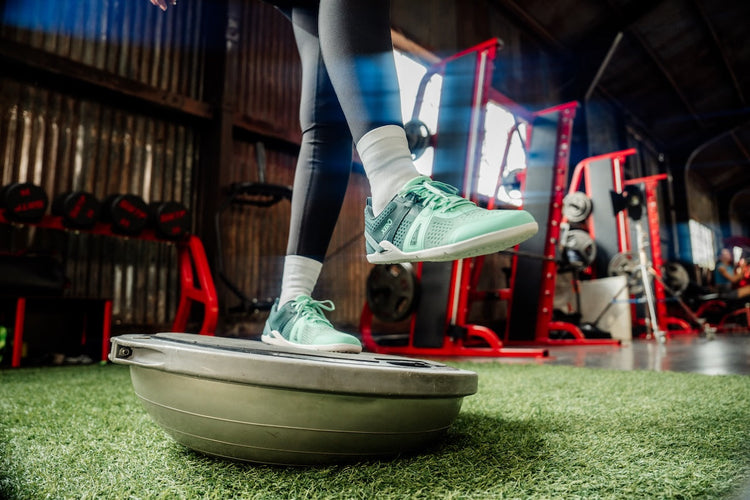
You’ve probably heard of (or tried) doing planks for time as a way to test your core strength and stability. But did you know that your feet have a "core"? You can actually train your foot core to help prevent running-related injuries according to a study by Dr. Sacco. In the book Born to Run 2: The Ultimate Training Guide, authors Christopher McDougall and Eric Orton place a high priority on what they call “foot core” training. Here’s how you can test your "foot core" strength. ONE-LEGGED BAREFOOT BALANCE TEST Balance on one foot, on your forefoot, on a hard surface with the heel a little elevated so you feel nice and strong at the arch. Use a wall or chair or partner to help you stabilize when needed. Note: This isn’t a calf raise exercise, with up and down movement with the foot. There’s no movement, just stabilizing. Do this for 30–90 seconds per foot, or until you fatigue. It seems simple, balancing on one foot. But that's the key to getting the stabilizer muscles and tendons in your feet activated. What are some other ways to unlock your foot's natural strength? Wear Xero Shoes. Walking in minimalist shoes, like Xero Shoes, could be effective for strengthening foot muscles according to Dr. Ridge’s research showing how walking in minimalist shoes built foot strength as much as doing an 8-week foot strengthening exercise program. Add a challenge Mastered the standard one-legged balance? Now try to balance while closing your eyes. Or stand on a log, yoga block, or any other raised surface. Keep practicing One-legged balancing is both a test and a zero-impact exercise that you can do pretty much every day. Long video meeting? Stand up, adjust your camera and balance on one foot. No one will even notice. Time yourself and see if you can beat your previous record. Born To Run 2: The Ultimate Training Guide BUY HERE

5 “MOVEMENT SNACKS” TO DO WITH A PARTNER
It’s time to rethink what a workout can be! Sure, there’s definitely still a time and place for a dedicated run, yoga class, or lifting session. But the movement in your life doesn’t have to (and shouldn’t) end there. Fill your life with purposeful, stimulating physicality, and it will pay off in ways you expect, and ways you can’t predict. You’ll perform better, think better, and simply feel better all day! The perfect place to start is with “movement snacks" (and Xero Shoes, of course.) What are movement snacks? “Movement snacks” are a groundbreaking training concept from Born to Run 2: The Ultimate Training Guide by Chris McDougall and Eric Orton, the follow-up to McDougall’s iconic best-seller Born to Run. These easy-to-learn exercises help engrain crucial human movement patterns on both physiological and neurological levels. Borrowing a page from McDougall’s limitless exercise manifesto Natural Born Heroes: Mastering the Lost Secrets of Strength and Endurance, they also require no equipment and can be done anytime, anywhere. Another great thing about snacks? You can do them on your own, but they’re even better with a partner! Here’s why. For one, adding someone else to your movement practice has been shown in research (and by countless real-life examples) to help all types of workouts be more effective. It helps people stay more motivated to keep coming back. It even enhances exercise's stress-reducing benefits. Basically, adding another person (or two, or a few) instantly makes everything that makes movement great even better! Here are three movement snacks that are group-friendly, fun, and suitable for all fitness levels! These exercises are excerpts with permission from Born to Run 2: The Ultimate Training Guide. Get your own copy of the Born to Run 2 book here. Xero Shoes For You and Your Partner Prio-Neo BUY HERE Forza Trainer BUY HERE 360 BUY HERE 1. Braced Deep Squat: Solo or With Partner "How to: Face your partner and grab each other's wrists. Support each other by pulling backward, easing down into a squat at the same time. Pause a few beats, then pull each other back up. How many: 10-12, with a focus on range of motion and controlled technique, rather than speed. Pay special attention to: Focus on getting as deep as you can, with good form, keeping feet facing straight forward. Improve through time. Purpose: Deep Squats can unlock your entire range of motion, everything from your neck to the soles of your feet, while loosening tight hips and Achilles and easing lower back tension" 2. Bear Crawls: Solo or With Partner How to: Start on all fours with your hands under your shoulders, knees under hips, and head in a comfortable position, eyes looking at least 1-2 feet ahead of you, ideally straight ahead. Press evenly onto your palms, tuck your toes under and lift your knees to hover just off the floor. Push onto your left toes and right hand, stepping forward with the left hand and right foot. Continue forward in a nice fluid motion. Keep the hips stable and avoid overly swaying form side to side. Repeat the same opposite arm-opposite leg pattern to move forward. Throughout your movement, keep your focus on easy breathing through the nose. How many: 20 steps (each time the right hand makes contact with the ground) to start, and build from there. Pay special attention to: Keeping the knees 2-3 inches off the floor. Work on keeping the hips stable and avoid shifting from side to side. Rest as needed. Purpose: Crawling builds full body strength and connects upper and lower body, as well as developing coordination. It's also a sneaky quad burn!" A movement snack from "Born To Run 2: The Ultimate Training Guide" Make it a fun partner workout by bear crawling towards each other and then shaking your partner's hand. Then proceed to bear crawl backward and repeat. 3. Side Lift: With Partner "How to: Balance barefoot on your right forefoot using a wall or chair or partner to help you stabilize. Keeping your right leg straight, raise your left leg sideways (think of half a pair of scissors opening). Raise your left leg only as high as you can while maintaining level hips, and then go back to the start position. Note: This is a stabilizing exercise for the stance leg, not a range-of-motion exercise for the moving leg. How many: 15-25 reps, then repeat with the opposite leg. 4. Knee Lift: With Partner How to: Balance barefoot on your right forefoot using a wall or chair or partner to help you stabilize. Keeping your right leg straight, raise your right heel slightly. Now, lift your knee in front of you as high as you can, and then go back to the start position. Keep your movements slow and controlled. The focus is on the stance leg, not the moving leg. Note: This is a stabilizing exercise for the stance leg, not a range-of-motion exercise for the moving leg. How many: 15-25 reps, then repeat with the opposite leg. 5. Quick Feet: With Partner How to: Facing a partner, raise your hands and place your palms against theirs. While maintaining palm-to-palm contact, the "lead" partner then tries to quickly step on the other person's toes. The following partner should dance away, doing everything possible to avoid foot contact while keeping palms connected. Switch How many: Just have fun with it and switch back and forth several times between leaders. Pay special attention to: Never breaking hand contact. Purpose: This is a fun group warm-up to get the heart rate up and simulate the central nervous system with some multidirectional, quick movement with the feet.
A Podiatrist Explains Why “Every Shoe Is A Walking Shoe”
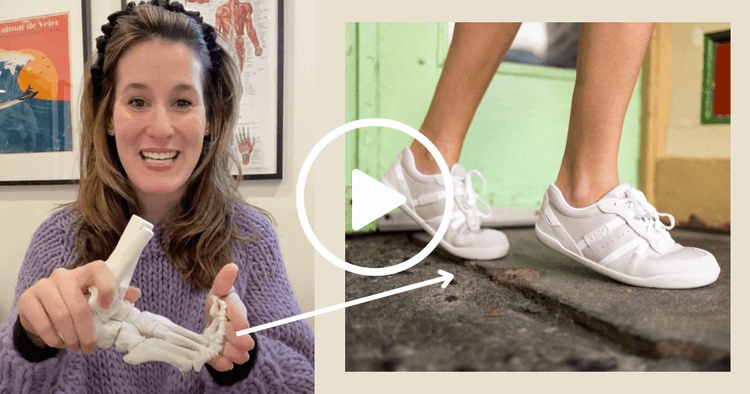
It’s tempting to treat your shoe rack like a toolbox. For each situation, there’s a product in the $133 billion shoe industry to fit it, from workout shoes to hiking, running, and yes, even walking shoes! But do we need to have a specialized shoe for something as fundamental and human as walking? Massachusetts-based podiatrist Dr. Alissa Kuizinas isn't so sure. “We often have this perception that we need a special category of shoe to wear for walks,” she says. “There’s even a whole segment of footwear called ‘walking shoes,’ and there’s all kinds of technology involved in that. But every shoe can be a walking shoe, as long as it meets certain standards.” It took a long journey for this doctor to reach her current conclusions on walking shoes. Here’s how her personal experience led her to change her mind, and how she guides clients into finding the right shoe for their situation. “I knew there had to be a better solution” Dr. Kuizinas has more than a medical perspective on footwear. She struggled with foot discomfort for years, and found that she was repeatedly jamming her big toe inside her shoes with each step she took – “even with my ‘good shoes’ on,” she recalls. https://youtu.be/D_0iYRwKOaw “Traditional medicine would recommend that I wear custom orthotics, limit my activity and wear stiff-soled shoes until the pain becomes bad enough to require surgery,” she says. “I knew there had to be a better solution.” The deeper this foot doctor delved, the more she found that her feet weren't the problem. It was her shoes! “Even though shoe companies spend millions of dollars on technology and design development, the shoes they produce and sell are doing a major disservice to human feet,” she explains. “From cushioning, to heel-toe drops, stiff soles, to narrow toe boxes, nearly every aspect of a modern shoe has a negative impact on foot movement. It leads to an epidemic of dysfunctional, weak, and malfunctioning feet. And most of us aren’t even aware this is happening!” She finally found her fit once she started wearing anatomically designed, flexible shoes with little to no padding, like Xero Shoes. In a matter of months, she wasn’t just feeling better; she had changed dramatically her perspective on what a shoe should be! Get Out of the Way of Your Feet “The primary purpose of shoes is to protect our feet from the elements and from different surfaces,” Dr. Kuizinas says. “They’re for when we are out in the world walking on a slippery or wet surface. Ultimately, shoes are really there JUST for that purpose. They don’t need to be bulky and restrictive, or supporting our feet. Our feet are designed to support themselves!” So… why not just walk barefoot all the time? Research has actually supported this idea of slight “protection” being beneficial. A study comparing outdoor barefoot walking with minimalist footwear found that the shoes actually improved walking form in both younger and older adults, and reduced risk of falling. To maximize on these benefits, Dr. Kuizinas recommends a ‘as little shoe as possible’ approach to footwear, and instead focusing on building resilient, capable feet. “Rather than building up the shoe to try to externally support the foot and limit motion, minimalist shoes get out of the way of our feet,” she says. “They allow feet to function naturally, to move, and bend. The transition to minimalist shoes involves stripping down the unnecessary and harmful components of modern shoes so that feet can be feet again!” When working with clients today, Dr. Kuizinas shies away from the term “minimalist shoes.” Instead, she likes to call them “functional shoes” or “natural shoes.” “Natural footwear is really on the leading edge of shoe technology,” she says. “By stripping away the unnecessary and downright harmful features of shoes, we allow feet to function effortlessly as they were designed to!” How to Find Your “Functional” Walking Shoe Dr. Kuizinas has a three-point checklist of what she looks for in a functional shoe, which not-so-coincidentally match up with the three major functions of the human foot during walking. “The foot has three jobs: to be a ‘mobile adaptor’ or shock absorber when it first hits the ground, to be a rigid lever during push-off, and to be a sensor of the environment,” she explains. “As long as it can do these three things, it will function well.” Here’s how she says those functions should be reflected in the shoes you wear: Wide Toe Box: “Functional sneakers should have a wide, foot-shaped toe box. They’re broad enough to allow our big toe to sit in a proper alignment.” Flat & Flexible Soles: “Our feet contain 26 bones and 33 joints. And joints are designed to move! A flexible sole allows for natural foot movement. By contrast, stiff and rigid shoes with elevated heels prevent the joints from fully moving through their range of motion and limit the foot.” Minimal cushion and support: “A functional shoe should only be only as cushioned as you really need. Overly cushioned shoes dampen your perception of what's going on with your feet, and your ability to walk well.” If you follow those simple standards, Dr. Kuizinas says, every shoe can be a walking shoe! Be Patient and Build Up to Barefoot Both from her personal experience and in her professional practice, Dr. Kuiz recommends being patient when it comes to transitioning to full-time “functional” footwear. In the early days, she recommended a one-two approach of wearing functional shoes primarily for low-impact activities like walking and running errands, while also going barefoot around the house to help build resilience in the feet and ankles. “As your foot function improves, you’ll be able to tolerate less arch supportive shoes for greater amounts of time,” she explains. Need help finding your perfect pair of shoes? Not sure where to start? Explore our Best Wide Toe Box Shoes collection for our most popular styles, or take our take our personalized Shoe Finder quiz. About Dr. Alissa Kuizinas Dr. Alissa Kuizinas is a virtual podiatrist with a passion for natural foot function. She helps people transform their feet by focusing on healthy footwear, movement patterns, and gait mechanics to get them moving at their absolute best.

Running Injury Studies
Walking in Minimalist Shoes Is Effective for Strengthening Foot Muscles - Dr. Ridge’s research showing how walking in minimalist shoes built foot strength as much as doing an 8-week foot strengthening exercise program.Foot Core Training to Prevent Running-Related Injuries: A Survival Analysis of a Single-Blind, Randomized Controlled Trial - Dr. Sacco’s research showing 250% fewer injuries over the course of a year in runners who did an 8-week foot strengthening program.Irene Davis, Ph.D.: Evolution of the foot, running injuries, and minimalist shoes - Dr. Davis’s interview with Dr. Peter Attia about natural movement and footwearWalking in Minimalist Shoes Is Effective for Strengthening Foot Muscles

Shoes so Comfortable, You May Fall Asleep Wearing Them
Xero Shoes are so comfortable and addicting that out of our 53,000 5-star reviews, a surprising number of customers have literally fallen asleep wearing Xero Shoes!

Simple Methods for Busy Dads to Stay Fit and Healthy With LivFitKarl
As a busy dad, you’ve a lot going on. Keeping up with work... spending time with your kids... helping around the house... working in the yard... Finding time to for health and fitness can feel tough, but it doesn’t have to be. Instagram influencer and Xero Shoes partner LivFitKarl has plenty of tips for doing effective workouts based on natural movement that don’t take up a lot of time. Even if you have just a few minutes at the beginning or end of the day, you can do an effective workout with minimal weight to increase your mobility, improve your stamina, gain more flexibility, and grow stronger—all things that will help you show up as your best for those important little people (or fully grown people) in your life. It all starts with making a commitment to being the fittest, healthiest version of yourself. And keeping what is most important front and center. Your fitness journey doesn’t have to be about how fast you can run or how much you can lift. It can be about keeping up with your kids and having the energy and stamina to pursue the things you enjoy. You also don’t need a lot of equipment or a dedicated space. Even on vacation, if you can find a few minutes, you can keep up your progress toward your fitness goals. And remember, even little choices like wearing barefoot shoes to walk around town, can help you reach your health and fitness goals faster. Training in barefoot shoes gives you access to natural movement, which may help you make the gains you’re after. Karl’s Favorite Xero Shoes https://xeroshoes.mom/wp-content/uploads/2023/01/Video-5.mov For Summer Barbeques and Casual Nights Out Dillon BUY HERE Dillon Canvas Slip-On BUY HERE Kelso BUY HERE Go-To Every Day Shoes Prio Neo BUY HERE Nexus Knit BUY HERE For Workouts Speed Force II BUY HERE Forza Trainer BUY HERE

Mike Gabler, Survivor 43 Winner: Stronger from the Ground Up in Xero Shoes
The reality TV show victor shares how he built balance and resilience to outlast 15 competitors in Fiji and come away with the crown! Mike Gabler has always been picky about his shoes. An avid hunter, hiker, and slackline enthusiast who also spends some long days on his feet in operating rooms, Gabler knows what he wears directly impacts how he performs under pressure, but also how he feels at the end of the day. So when he was chosen to compete on the 43rd season of the reality TV show Survivor, Gabler took the decision seriously. He says his Xero Shoes Xcursion Fusion boots were a secret weapon on the show—and since he defeated all comers and won the show at age 50, we can be sure this is a guy who knows about covert strategies! We caught up with Gabler in his hometown of Meridian, Idaho, to discuss how he trained and performed for his victory in Survivor 43. How did you learn about Xero Shoes initially? So by day, I work in the operating room, and I stand for hours. And I usually wear cowboy boots with a heel on them. But after long days, I found that I just couldn't get comfortable, even at night sleeping. And I was looking around online, and a Xero Shoes ad found me. I bought a couple of pairs: Z-Trail, Xcursion Fusion, and some Alpines. And they took a little getting used to in the beginning, because it's a different way to walk. But once I got comfortable in them, it felt amazing, especially when I was on the trail. When I was hiking in Idaho or Alaska during the spring or summer, I loved them, because it made me feel like I was attached to the ground. So then when I went on this TV show, I knew I wanted to be lean and mean and be able to balance and work well. I have a bunch of different types of shoes at my house, and I was in my closet looking down at all the choices. And I felt like I had to select my Xero Shoes. They were my go-to for everything that wasn't aquatic. Even then, I wish I had brought a second pair of Xero Shoes, because instead I brought these surfing shoes where your toes go into little pockets. They just never dried out, and I developed a jungle rot problem. But I love my Aqua X Sports now, and they would have dried way better. Did you strategize your footwear choices during training? I did! Balance and core strength were a big component, and I did a lot of slacklinin. Whenever I did that, I wanted the closest thing to barefoot. Balance is crucial on this show, because there's a lot of challenges where you run across a beam holding something, or stuff like that. I definitely knew I didn't want any shoes with a big foam platform on the bottom. That wasn’t going to help me out with balance or posture. And you know what? I left the game with five records and won the thing, so I guess my shoe selection helped. What model were you wearing on the show? I used the Xcursion Fusion. Sometimes on the island I wore wool socks with them, and sometimes I would go barefoot in them, depending on how dry my socks were. I was wearing them when I broke a Survivor record on the grip challenge in episode 7. There was a huge obstacle course we had to go over that had balancing and carrying, and the record for it was 25 minutes. And I ended up breaking it with about 38 minutes. That's when my opponent, Cowboy Cody finally let go. Did you see anyone on the show regret their footwear decisions? There were a couple people that had those big shoes with foam on the bottom, and they rolled their ankles. And those are injuries that linger when you're out there in the jungle, but unfortunately the game doesn't stop for you to heal. You just have to keep going. So for me, not only did the Xero Shoes help me on the island, but I think it was going back before that, because I wore them for about a year beforehand. It made me think of all those little muscles in my feet and ankles that you don't use when you have one of these big foam balls that you're walking on. Those muscles were stronger. And here’s another thing: I was 50 during the show, and my body held up really well. In 43 seasons, there's only been two winners over 50. I'm the second one. And I'm somebody who has had knee issues and pain in my life, and I was really concerned about that! But during the game I had no issues. So I think they may have helped me a little bit in preparation, but they certainly helped me simply to stay in the game. Did you make any footwear converts on the show? For the most part, people were pretty happy with their shoe choices, because everybody puts a lot of thought into it. But as the show progressed, people would ask me, “What are those?” Because the Xcursion Fusion are really an interesting design. They look a little like a moccasin, but they give you some ankle support on the exterior. A few people even tried them and told me, “I'm getting a pair.” You definitely had some complicated relationships to maintain. As the show went on, it felt like a big part of your strategy was to “hide in plain sight.” How did that help you? I used what I call the “Alligabler” strategy to manage my threat level. I’d strike, then go back underwater for a little while. You know, if you're not careful, people will notice you, and they'll start taking shots at you. So I quickly kind of had to change my game and adapt to get under the radar. I was in on all these alliances, but everybody thought I was just in theirs. And it kind of helped me out, because I had a lot of information coming through me. And then I was able to make decisions that helped advance my game. Then, in the back half of the game I was more of a farmer, just planting a lot of seeds. Survivor is like downhill skiing through trees. Whatever you think is going on, if you can't pivot quickly, you're gonna get slammed. But you know, the whole game, I had zero votes against me until the very last night. And that’s when I got seven out of eight, which is a near perfect game. That's about as good a game as I could play. So now that you’ve experienced the show, but also watched it, what felt most real and unreal about your reality TV experience? Watching it back was simply amazing. When I got back on June 1, I was 38 pounds lighter than I am now. And obviously I knew what's going to happen as far as the scoreboard. But it was like watching a football game where it's 33 to 27 in triple overtime, and I didn’t know what the plays were going to be. The editing is really what the plays are, and I got to watch that live with you guys. Of course there's a couple of things I would have liked them to show a little bit more of, but the producers of Survivor are genius storytellers. They had everybody guessing all the way through. I thought season 43 was a very entertaining season, but it’s also one that’s going to age really well for people who binge things later. There were some parts of it that were a little bit slower. But I liken it to a roller coaster: it climbs and goes tick, tick, tick. And then after a little bit, it goes right into some serious drops. We definitely left a lot of jaws dropped along the way, and it was a lot of fun. Now that you’re back, what’s your favorite thing to do in a pair of Xero Shoes? When it's cold outside, like right now it’s 10 degrees here in Boise, I put on a pair of wool socks, put on my Alpines, and then I go out and get on the slackline. I even get a sweat going when I'm out there. It’s just really chill. I’ll put my ear pods in with some cool music, and then just do that for an hour. It’s just a perfect way to leave my day and whatever else is going on behind.

How to Winterproof Your Barefoot Shoes by Anya's Reviews
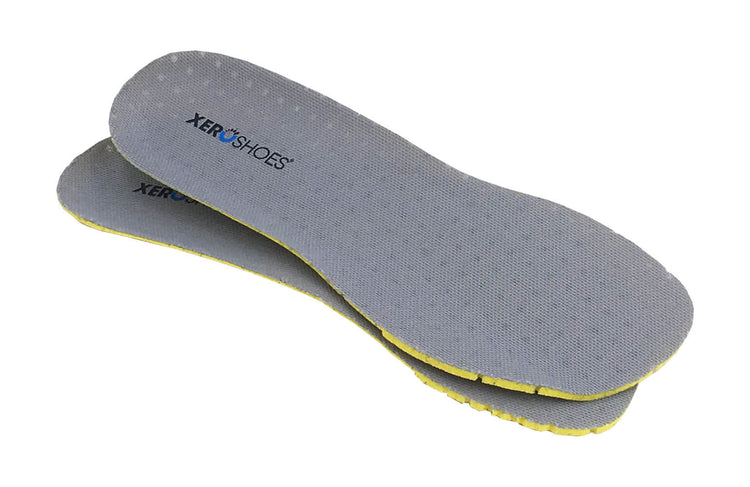
Once you experience the freedom of barefoot shoes it’s hard to go back to your old pinchy boots. And even though there are practical barefoot winter boots available, depending on your environment it might not be quite enough. I myself had a difficult time in extreme cold and ice before I learned a few hacks. Because my feet can’t tolerate uncomfortable shoes anymore, the old heavy boots in my closet just weren’t an option! Fortunately I found some useful hacks that made all the difference. Here are the practical tips I use to make my barefoot shoes even more functional for serious weather. Table of Contents: Waterproofing Insoles Socks/Boot Liners Ice Cleats 1. Waterproofing (Xero Shoes Denver Leather pictured above) It’s a great idea to have some waterproofing products on hand, even if the shoes you buy come pretreated. Waterproofing wears off over time, and you will stay much warmer if you’re dry. Here are my pro tips for waterproofing shoes: Spray’s are best for delicate materials you don’t want to change the look of. Waxes and oils are more effective, but might change the appearance of your shoes. Always test the product on a small inconspicuous spot and let dry for 24 hours before doing the whole shoe (in case you don’t like how it comes out). Expect to reapply. Sprays need to be reapplied every handful of wears, waxes can be applied once a season (maybe more or less depending on how much you use your shoes). 2. Insoles (Xero Shoes Gracie pictured above) Adding my own insoles is my favorite warmth hack. Because the soles on barefoot shoes are thin, they might feel cold in winter. Choosing warmer insoles can make a big difference, and you can easily swap them out or layer them on top inside the shoe. Here are my favorite warm insoles that are still zero drop and flexible: Felted wool (you can buy sheets of it and cut your own). Sheepskin Faux fur insoles (if you are vegan) Just keep in mind that adding thick insoles will take up more space inside your shoes. Felt insoles are thinner than sheepskin/faux fur, so might be a better option if you didn’t size up in your boots. (Want to see how waterproof the Gracie is? Check out my video here.) 3. Socks/Boot Liners Socks can also make a big difference in your comfort level during the winter. I choose socks with a high wool content because they are warm and they conform to your foot over time. I also often wear a pair of leg warmers over the top of my socks for an extra layer that doesn’t take away toe box space. The boots I wear in the dead of winter are all a size bigger than my usual so I can fit thick cozy socks in them. An alternative to thick socks is a boot liner. But you need enough space for the liner to fit fully inside, so it works best in unlined boots like the Xero Gracie. And you probably will need a size up so your foot still fits (are you noticing a theme?). 4. Ice Cleats & Running Spikes (Xero Shoes Alpine pictured above) I walk outside every single day no matter the weather and most of the time the soles on my barefoot boots are perfectly adequate for me. But there are days when the conditions are such that I need more grip. That’s where ice cleats or running spikes come in. They can easily be put on over the top of a pair of barefoot winter boots, and if you live in a place with lots of snow and ice they can really keep you moving safely through the winter. I like the ones with a security strap over the top of the shoe so they don’t fall off in the snow. You can also grab Icewalkers from Xero Shoes. And there you have it, my best tips for winterproofing your barefoot shoes. Here’s to happy feet through the coldest, wettest months of the year! And of course, you can explore Xero Shoes minimalist waterproof shoes and boots. This Guest Blog Post is By Anya's Reviews Anya first discovered barefoot shoes after a long history of foot issues. By changing her footwear and strengthening her body she was able to completely transform her life. Today Anya is trying to change the status quo of shoes and foot health by making natural footwear options more accessible around the world. Find everything you need to start your happy feet journey at her website AnyasReviews.com.